


Vehicle Spotlight: Ford Ranger

Few nameplates have earned their keep quite like the Ford Ranger. Since its introduction for the 1983 model year, the Ranger has grown from a compact American pickup into a globally developed midsize truck, and it has stayed on the same mission the whole time: genuine capability without the bulk, thirst, and parking headaches of a full-size pickup. It has hauled lumber on job sites, towed boats to the lake, carried college students across the country, and, in its most recent form, crossed deserts at speed.
What makes the Ranger interesting is how completely it reinvented itself. The compact workhorse of the 1980s and the broad-shouldered, turbocharged truck sold today share little beyond a badge and a philosophy: right-sized capability, built to last. Today we will look at how the Ranger evolved, what sets the current truck apart, and how you can keep yours looking sharp long after the first parking lot scrape.
Brief History and Heritage of the Ford Ranger
The Ranger arrived for the 1983 model year as Ford's new compact pickup, replacing the imported Courier in the U.S. market. It quickly became one of America's most popular compact trucks. A thorough redesign in 1993 brought rounder styling and better ergonomics, while the version introduced for 1998 carried the Ranger through a remarkably long run that included the limited-production Ranger EV, one of Ford's early battery-electric pickups, and a reputation for stubborn durability. North American production wound down in 2011.
The nameplate never actually disappeared. Ford had developed a separate global Ranger program on the T6 platform, which became the foundation for a midsize pickup sold across markets including Australia, Europe, Africa, and Southeast Asia, where it grew into a segment leader. North America received that global Ranger for the 2019 model year, reintroduced to American buyers with a turbocharged 2.3-liter EcoBoost engine and midsize proportions rather than compact ones.
The latest Ranger arrived in North America for 2024 with a redesigned body, a wider track, and a far more modern cabin. It also brought the Ranger Raptor to North America for the first time, giving the lineup a genuine high-speed off-road flagship.
Key Features and Specifications

The current Ranger covers an unusually wide range of duties, from base work truck to desert runner, without feeling like a compromise at either end. The figures below reflect the U.S. lineup, since Ranger powertrains differ considerably in other markets.
EcoBoost Powertrain Lineup
Three turbocharged engines anchor the U.S. range. The standard 2.3-liter EcoBoost four-cylinder produces 270 horsepower and 310 lb-ft of torque, while an available 2.7-liter EcoBoost V6 steps up to 315 horsepower and 400 lb-ft. The Raptor gets an exclusive 3.0-liter twin-turbo V6 rated at 405 horsepower and 430 lb-ft. All three pair with a 10-speed automatic transmission.
Real Working Capability
Properly equipped Ranger models can tow up to 7,500 pounds, with maximum payload reaching roughly 1,767 pounds depending on configuration. Those are numbers that would have belonged to a half-ton truck not long ago. The bed adds genuinely useful touches as well, including integrated side storage, a bed access step, and mounting points for tie-downs and accessories.
Cabin Technology
The Ranger offers SYNC 4A, smartphone integration, and digital displays, with Ford Co-Pilot360 driver-assistance features available depending on trim and configuration. Higher trims add a 12.4-inch digital instrument cluster, a 12-inch center touchscreen, and available B&O audio, though exact equipment varies by trim and model year.
Off-Road Hardware
The FX4 package adds off-road-tuned shocks, Trail Control, and an off-road information screen for weekend trail duty. The Raptor goes considerably further with FOX Live Valve dampers, locking differentials, wider bodywork, and drive modes including Baja and Rock Crawl.
Pre-Painted Car Parts for Ford Ranger
The current Ranger has a deliberate, squared-off design language built around its C-clamp headlight signature, upright grille, and strongly defined fender flares. It is a look that depends on clean, uninterrupted surfaces to read the way Ford's designers intended. A scuffed bumper cover or a dented fender interrupts that crisp bodywork immediately, which is exactly why the quality of a replacement part matters so much on this truck.
At Painted OEM Parts, we paint each component to order rather than pulling it from a shelf of generic stock colors. Using your VIN and paint code, our team works out the correct formula for your specific truck, then applies it through a multi-stage paint process using premium basecoat and clearcoat materials. Precision color matching and careful workmanship are what separate a replacement part that settles into the body from one that announces itself. We will also be straight with you about the limits: because your truck is not in our booth, we work from the code or from a physical sample you send us, and fresh paint next to sun-faded original paint will always read a little differently.
The value here is as much about time as it is about cost. A traditional repair means sourcing the part, booking body shop time, and waiting while someone else's schedule dictates yours. A pre-painted component arrives finished, ready for you to transfer over your trim and hardware and get the truck back together. We offer both genuine OEM and OE Replacement options across much of the Ranger catalog, so you can weigh exact factory sourcing against a more budget-friendly alternative depending on the age of your truck and your plans for it. Every painted part is backed by our lifetime warranty, which covers fading, peeling, and cracking under normal use.
Available Pre-Painted Car Parts for Ford Ranger
Front Bumper

Year and Model | Type |
2026 Ford Ranger Front Bumper | |
2025 Ford Ranger Front Bumper | |
2024 Ford Ranger Front Bumper | |
2023 Ford Ranger Front Bumper | |
2022 Ford Ranger Front Bumper | |
2021 Ford Ranger Front Bumper | |
2020 Ford Ranger Front Bumper | |
2019 Ford Ranger Front Bumper |
Upper Front Bumper Cover

Year and Model | Type |
2023 Ford Ranger Upper Front Bumper Cover | |
2022 Ford Ranger Upper Front Bumper Cover | |
2021 Ford Ranger Upper Front Bumper Cover | |
2020 Ford Ranger Upper Front Bumper Cover | |
2019 Ford Ranger Upper Front Bumper Cover |
Rear Bumper Ends

Year and Model | Type |
2023 Ford Ranger Rear Bumper Ends (Both Sides) | |
2022 Ford Ranger Rear Bumper Ends (Both Sides) | |
2021 Ford Ranger Rear Bumper Ends (Both Sides) | |
2020 Ford Ranger Rear Bumper Ends (Both Sides) | |
2019 Ford Ranger Rear Bumper Ends (Both Sides) |
Tailgate
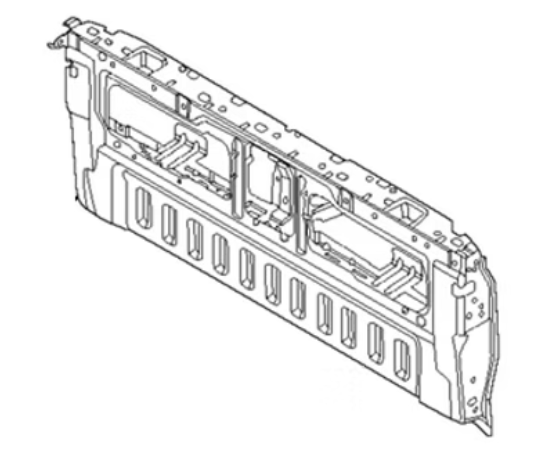
Year and Model | Type |
2026 Ford Ranger Tailgate | |
2025 Ford Ranger Tailgate | |
2024 Ford Ranger Tailgate | |
2023 Ford Ranger Tailgate | |
2022 Ford Ranger Tailgate | |
2021 Ford Ranger Tailgate | |
2020 Ford Ranger Tailgate | |
2019 Ford Ranger Tailgate |
Front Fender

Year and Model | Type |
2026 Ford Ranger Front Fender | |
2025 Ford Ranger Front Fender | |
2024 Ford Ranger Front Fender |
Front Fender Flare

Year and Model | Type |
2026 Ford Ranger Front Fender Flare | |
2025 Ford Ranger Front Fender Flare | |
2024 Ford Ranger Front Fender Flare |
Rear Fender Flare

Year and Model | Type |
2026 Ford Ranger Rear Fender Flare | |
2025 Ford Ranger Rear Fender Flare | |
2024 Ford Ranger Rear Fender Flare |
Side Mirror Cover

Year and Model | Type |
2026 Ford Ranger Side Mirror Cover | |
2025 Ford Ranger Side Mirror Cover | |
2024 Ford Ranger Side Mirror Cover | |
2023 Ford Ranger Side Mirror Cover | |
2022 Ford Ranger Side Mirror Cover | |
2021 Ford Ranger Side Mirror Cover | |
2020 Ford Ranger Side Mirror Cover | |
2019 Ford Ranger Side Mirror Cover |
Maintenance Tips for Your Ford Ranger
The Ranger is built to take abuse, but a few habits make the difference between a truck that ages well and one that simply gets old. These are the areas worth your attention.
Turbocharged Engine Care
Every current Ranger engine is turbocharged, which makes oil quality and timing worth taking seriously. Use the oil grade and specification listed in your owner's manual and follow Ford's recommended service intervals. If you tow often, idle for long stretches, or operate in dusty conditions, check the manual for severe-duty requirements. Avoid heavy loads and high engine speeds until the engine has reached normal operating temperature.
Undercarriage and Suspension
Inspect shocks for weeping, check control arm and sway bar bushings, and look over the underbody after any trail outing. If you drive on salted winter roads or near the coast, wash the undercarriage regularly. Raptor owners should watch the FOX dampers closely, since they cost more to replace than conventional units.
Tires and Alignment
Rotate the tires on Ford's recommended schedule and check pressures regularly, especially on all-terrain rubber, which loses air unevenly. Pick embedded stones out of the tread. Have the alignment checked if the truck pulls to one side, the steering wheel sits off-center, the tires wear unevenly, or you take a hard hit off-road.
Exterior Preservation
Wash frequently using the two-bucket method to avoid swirl marks, and wax or seal the paint a few times a year. Pay attention to rocker panels, wheel arches, and the leading edge of the hood, where stone chips start. Address chips early, especially any that expose bare metal, and when a panel is past saving, replace it rather than living with it.
Frequently Asked Questions
Is my Ranger's paint code enough to get an exact color match?
Not quite on its own. The paint code identifies the color your truck left the factory with, but the same code can correspond to more than one mixing formula depending on where and when the vehicle was built. Finding the code is step one. The VIN helps us identify the right formula for your particular Ranger.
Can I install a pre-painted Ranger bumper cover myself?
Often, yes, though the exact procedure varies by model year and equipment. Bumper covers are generally held by bolts and clips along the top, in each wheel well, and underneath, then released from their brackets. Sensors and lighting need to be unplugged carefully. Have a second person help, and look up a procedure specific to your truck first.
Are pre-painted parts available for both new and older Rangers?
Older Rangers are typically served by both genuine OEM and OE Replacement components, giving you a choice between exact factory sourcing and a more budget-conscious alternative. On brand-new model years, aftermarket production usually has not started yet, so genuine OEM is often the only option. That is normal, and availability is worth checking part by part.
Conclusion
The Ford Ranger has always made a straightforward argument: buy the truck that fits your life rather than the biggest one on the lot. Four decades in, that argument has only gotten stronger. The current truck pairs turbocharged muscle and modern cabin technology with dimensions you can actually park, and it does it while looking sharper than any Ranger before it.
That sharp appearance is worth protecting. The Ranger's clean surfaces and bold detailing reward careful upkeep, and they show a poorly finished replacement panel just as clearly. We built our process around that reality. Every part we paint is mixed for your specific truck, finished by hand with premium materials, and backed by our lifetime warranty on the paint itself.
Ready to get your Ranger looking right again? Contact us today to find precision-matched components for your truck, delivered ready to install.
Comments