


7 Essential Automotive Tools Every Car Owner Should Have in Their Toolbox

You walk out to your car one morning and notice a problem. Maybe a warning light is on, a bolt is rattling loose, or your tire looks suspiciously flat. For many drivers, that moment kicks off a search for the nearest mechanic. But with the right setup at home, a surprising number of car issues are well within your reach to fix yourself.
Building a solid home garage does not require a massive investment up front. You just need to start with the right foundation. These essential automotive tools are the ones that earn their spot in your toolbox time and again, whether you are doing basic maintenance or tackling a more involved repair.
Why Every Car Owner Benefits from Having Must-Have Car Repair Tools at Home
Taking your car to the shop for every issue adds up fast. Labor rates, diagnostics fees, and markups on parts can turn a minor fix into a major expense. Having must-have car repair tools on hand means you can handle the routine stuff yourself, spot problems early, and make smarter decisions about when a professional is truly needed.
Beyond the savings, there is also the satisfaction of knowing your vehicle and being able to take care of it.
The 7 Essential Automotive Tools You Need Right Now
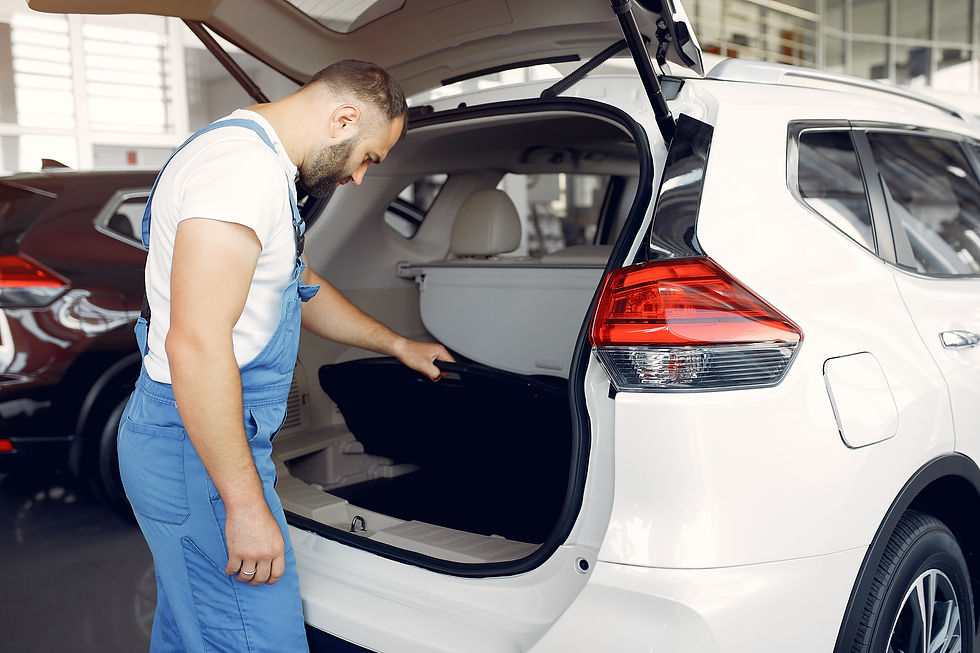
Having tools in your trunk can save you time and money, especially when you're on the go. Here are the top tools that might do the job when you need it most.
1. Ratchet and Socket Set
If there is one tool category that belongs in every garage, it is this one. A quality ratchet and socket set gives you the ability to tighten or loosen nearly any fastener on your vehicle. Look for a set that includes 1/4-inch, 3/8-inch, and 1/2-inch drive sizes, plus a range of metric sockets.
Most modern vehicles use metric fasteners, so prioritize that sizing if you are just getting started. Add extensions and a universal joint for reaching bolts in tight spots.
2. Torque Wrench
A torque wrench might not look exciting, but it is one of the most important tools you can own. Many critical fasteners on your car, from lug nuts to suspension components, need to be tightened to a specific specification. Too loose and things rattle or fail. Too tight and you risk stripping threads or cracking components.
A click-style torque wrench is beginner-friendly and accurate enough for most home repairs.
3. Screwdriver Set
It sounds basic, but a complete screwdriver set covers more ground than most people realize. You will need a flat head, Phillips head, Torx, and Allen head varieties to deal with the full range of fasteners found in modern vehicles.
Keep a set organized and within reach. You will find yourself reaching for these constantly.
4. Pliers (Multiple Types)
A well-stocked toolbox includes several types of pliers. Slip-joint pliers handle general gripping tasks. Needle-nose pliers get into tight spaces. Locking pliers (commonly known as vise grips) hold parts securely when you need both hands free. Tongue-and-groove pliers are great for larger components.
Each type earns its place, and having the right one for the job makes a real difference.
5. Jack and Jack Stands
Any time you need to work underneath a car or remove a wheel, you need a proper jack and a reliable set of jack stands. A floor jack lifts the vehicle, and jack stands hold it securely while you work.
Never rely solely on a hydraulic jack to support a vehicle you are working under. Jack stands are the safety net that keeps you protected. A quality set will last for decades, so it is worth investing in something solid.
6. Digital Multimeter
Modern vehicles are packed with electronics. A digital multimeter (DMM) lets you test circuits, check battery voltage, and diagnose electrical issues without guessing. It measures voltage, current, and resistance, which covers the vast majority of electrical diagnostics a home mechanic will encounter.
Entry-level DMMs are affordable and genuinely useful. If you have ever had a mystery warning light or a component that stops working intermittently, a multimeter will become your best friend.
7. OBD-II Code Reader
No tool list is complete without a scan tool or OBD-II code reader. Every vehicle built after 1996 has an onboard diagnostic port, and a code reader plugs right in to tell you what fault codes the vehicle is storing. This is often the first step in diagnosing any warning light situation.
Basic code readers are inexpensive and widely available. They can save you the cost of a diagnostic fee at the shop and help you understand what you are actually dealing with before committing to a repair.
Bonus: Keep These Supporting Supplies Close
Beyond the tools themselves, a few supplies round out a functional home garage setup:
A good flashlight or LED work light for seeing into dark engine bays
Safety glasses to protect your eyes from debris
A fluid drain pan for oil changes and other fluid work
Wheel chocks to keep the vehicle stationary when jacking
Touch-up paint matched to your vehicle's color code, for catching small chips and scratches before they turn into rust
Small items, but each one matters when you are in the middle of a job.
When to Tackle It Yourself and When to Call a Pro
Knowing what you can handle at home versus what requires a professional is just as important as having the right tools. Here is a simple way to think about it.
DIY makes sense for:
Routine maintenance like oil changes, air and cabin filter swaps, and fluid top-offs
Replacing wiper blades, brake pads, and basic lighting
Installing bolt-on exterior parts, including pre-painted replacement panels and bumpers
Minor cosmetic fixes using touch-up paint for chips and scratches
Call a professional for:
Engine or transmission work requiring specialized equipment or calibration
Advanced electrical diagnostics beyond what a code reader can identify
Structural repairs after a collision
One area where DIY saves both time and money is exterior part replacement. Pre-painted parts from a trusted source that arrive ready to install, color-matched to your vehicle's exact specifications will save you the headache. No painting, no body shop wait times. With the basic tools already in your garage and quality parts in hand, a bumper or fender swap becomes a straightforward weekend project.
The key is matching your skill level to the job and making sure the parts you use are worth the effort you put in.
Frequently Asked Questions
What is the most important tool for a beginner starting out with car repairs?
A ratchet and socket set is typically the best starting point. It covers the widest range of repairs and is immediately useful for everything from oil changes to brake work. Pair it with a torque wrench and a basic screwdriver set, and you have a capable starter kit.
Do I need professional-grade tools, or will consumer versions work?
For most home repairs, consumer-grade tools from reputable brands are more than adequate. The key is to buy quality over quantity, particularly for tools like torque wrenches and jacks where accuracy and safety matter. You can build up your collection over time as you tackle more complex jobs.
When does DIY car repair make sense versus going to a shop?
Routine maintenance tasks like oil changes, air filter replacements, brake pad inspections, and basic fluid top-offs are excellent candidates for DIY. More complex repairs involving the transmission, engine internals, or advanced electronic systems are generally better left to professionals with specialized equipment. Knowing your limits is part of being a smart car owner.
Conclusion
Building a reliable toolkit is one of the best investments a car owner can make. These essential automotive tools give you the foundation to handle everyday maintenance, diagnose problems faster, and avoid unnecessary shop visits for straightforward repairs.
Of course, sometimes a repair goes beyond what tools alone can fix. If exterior damage is part of the picture, sourcing the right replacement parts matters just as much as having the right wrench. At Painted OEM Parts, we make it easy to get factory-quality, pre-painted replacement parts shipped directly to your door. Every part is color-matched to your vehicle's exact paint code, and our work is backed by a lifetime warranty so you can restore your car's appearance with complete confidence.
Ready to get your car looking its best again? Contact us today to find the right pre-painted part for your vehicle.
Comments